
Last priced: April 2026. Tour and entry prices in JPY per adult. Train fares are independent of tour bookings; check Hyperdia for current rates if you’re DIYing.
“Matcha tour” is one of those Japan booking terms that hides at least four very different products under one search result. It can mean a one-hour tea ceremony in Kyoto, a half-day Uji tea-shop walk, a full-day visit to a Shizuoka tea plantation, or a hands-on stone-grinding workshop in Tokyo. The pricing for these ranges from ¥1,800 to ¥18,000. Below is what each one actually is, what it costs on the cheap end and the polished end, and which is worth the price.
In This Article
- Quick comparison: matcha experiences from cheapest to splurge
- The cheapest “matcha tour” is a Uji walking ticket (¥1,800)
- Standard tea ceremony in Kyoto (¥3,500-¥5,500)
- Tea ceremony + kimono dressing (¥4,500-¥7,500)
- Half-day Uji tea-town tour with a guide (¥4,800-¥7,200)
- Matcha-grinding workshops (¥3,200-¥5,800)
- Full-day plantation tours (¥9,500-¥18,000)
- The verdict
- What to read next
Quick comparison: matcha experiences from cheapest to splurge
| Experience type | Cheapest price | Mid-range price | Where |
|---|---|---|---|
| Tea-house tasting (no ceremony) | ¥1,800 | ¥3,500 | Uji, Kyoto |
| Standard tea ceremony | ¥3,500 | ¥5,500 | Kyoto, Tokyo |
| Tea ceremony + kimono dressing | ¥4,500 | ¥7,500 | Kyoto (Asakusa version in Tokyo) |
| Half-day Uji tea-town walk | ¥4,800 | ¥7,200 | Uji (south of Kyoto) |
| Matcha-grinding workshop (DIY bowl) | ¥3,200 | ¥5,800 | Kyoto, Uji |
| Full-day plantation tour from Shizuoka | ¥9,500 | ¥14,500 | Shizuoka prefecture |
| Full-day plantation tour from Kyoto/Osaka | ¥12,800 | ¥18,000 | Wazuka, Kyoto pref. (south of Uji) |
The cheapest “matcha tour” is a Uji walking ticket (¥1,800)
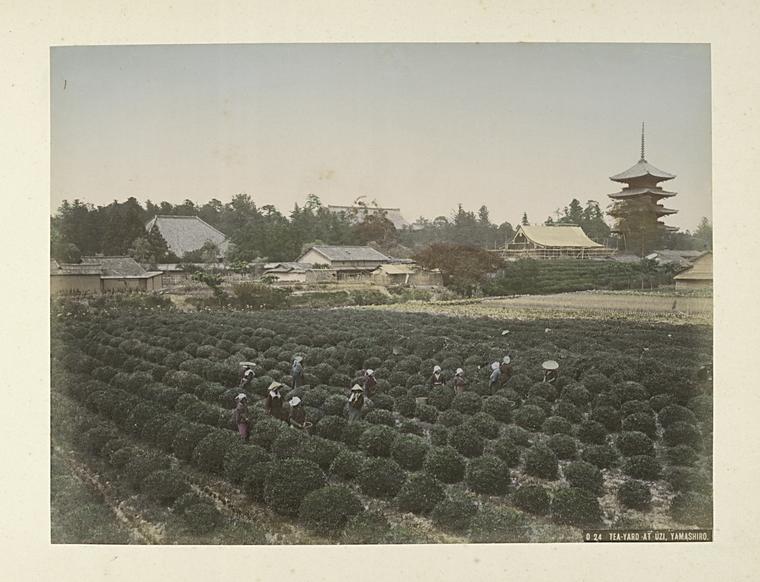
If your matcha curiosity is “I want to taste really good matcha and learn a bit about it” rather than “I want to be served formal tea by a kimono-wearing host” — Uji is the answer, and the cheapest Uji experience isn’t a tour at all.
Uji is a small town 25 minutes south of Kyoto by JR Nara line. It’s the cradle of premium matcha in Japan; the best tea farms have been there for 800 years. The town is small enough to walk end-to-end in 90 minutes. The famous tea shops (Tsuen, founded in 1160; Tokichi; Ito Kyuemon) all run tasting counters.
Cheapest version: JR train ¥240 each way from Kyoto Station, plus a ¥1,800 tasting flight at Tsuen or one of the equivalents. Total: ¥2,280 for the trip plus the matcha you’d want to buy to take home (¥1,500-¥3,000 for a 30g tin of high-grade ceremonial matcha — vastly better than anything sold outside Japan at the same price point).
This is the highest-value matcha experience on the entire list and it doesn’t appear on any tour-platform search because it’s not a tour.
Standard tea ceremony in Kyoto (¥3,500-¥5,500)
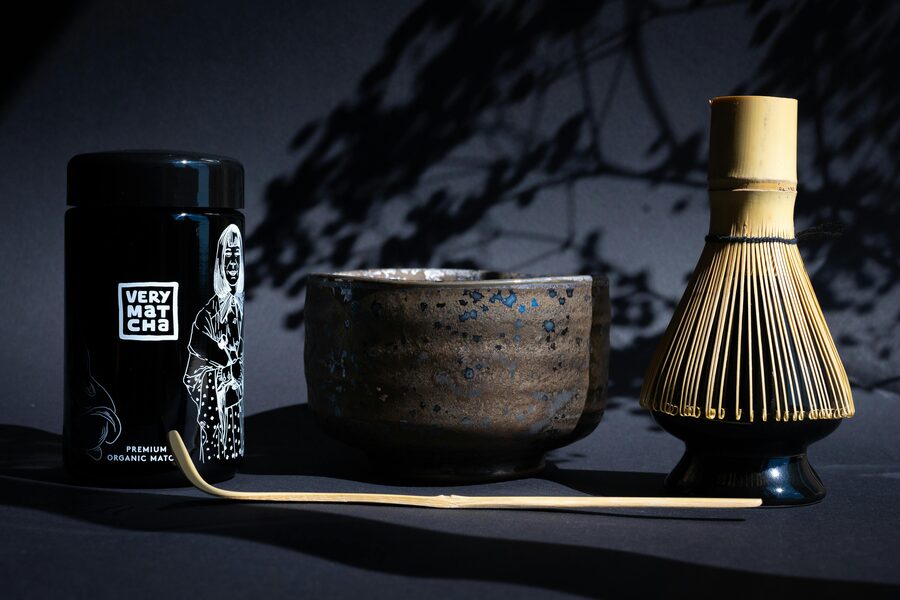
The “tea ceremony” experience marketed to tourists is usually a 45-minute simplified version of the full ceremony, conducted in English, with one or two participants per host. You sit on tatami, watch the host prepare the matcha, drink one bowl, eat a wagashi sweet, and leave knowing more than you did when you walked in.
Cheapest reliable version in Kyoto: Camellia Tea Ceremony in Higashiyama at ¥3,500. Multiple slots a day, very small groups (4-6), English-speaking host, well-rated. The Klook and GYG listings for this same operator are usually within ¥100 of each other; book through whichever you have the better discount on.
Mid-range version: Maikoya Kyoto at ¥5,500. Larger production, more polished setting, often includes a small kimono try-on element.
The Tokyo version of this same experience runs ¥4,500-¥6,500 and is generally less worth it — the cultural context is weaker outside Kyoto.
Tea ceremony + kimono dressing (¥4,500-¥7,500)
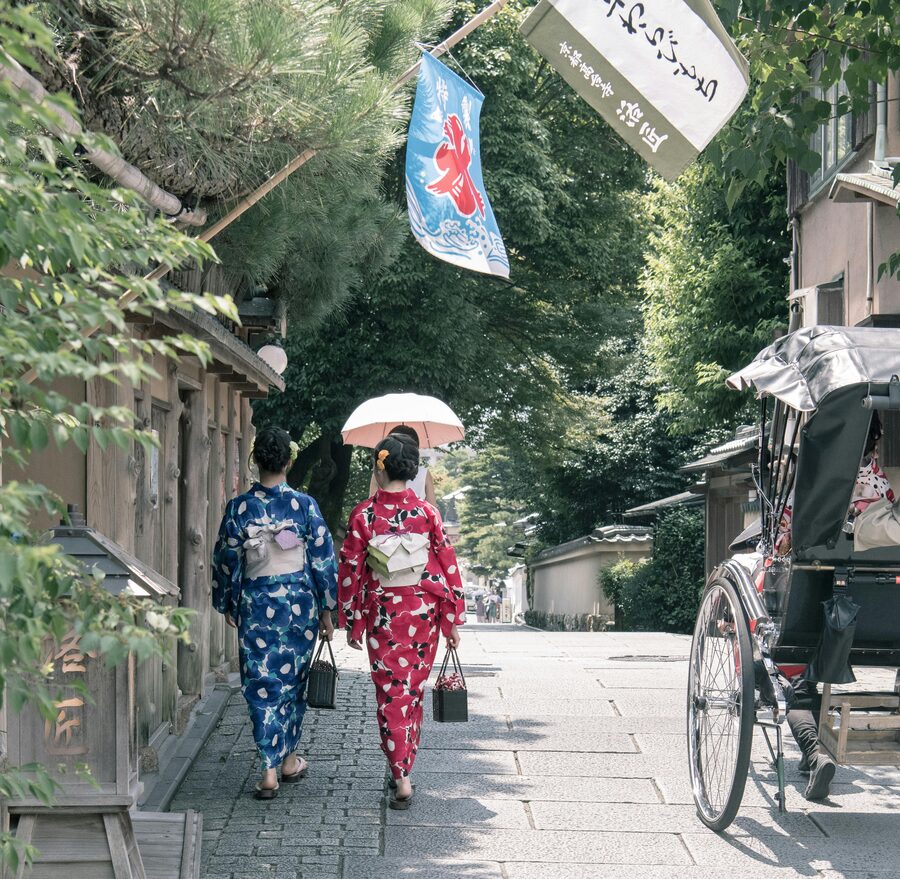
If you were going to do both anyway (tea ceremony and rent a kimono for street photos), the bundled version at ¥4,500-¥7,500 saves ¥800-¥1,500 versus booking each separately. Most reputable Kyoto operators run a 2-2.5 hour combined session: 45 minutes for kimono dressing, an hour for the tea ceremony, then 30-60 minutes free time wearing the kimono around the neighbourhood.
Cheapest reliable bundle: Maika Kyoto at ¥4,500. The kimono selection is limited at this price tier — pick from 12-15 patterns rather than 50+. Worth knowing if you’re planning kimono photo content.
Mid-range: Kimono Tea Ceremony Maikoya at ¥6,800. Wider kimono selection, larger tea room, photo package included.
Half-day Uji tea-town tour with a guide (¥4,800-¥7,200)
If you want the Uji experience with someone explaining the history and the tea-grading systems, a guided half-day works. The cheapest reliable version on Klook is around ¥4,800 — meets at JR Uji station, includes a tasting at one of the heritage tea houses, a walk past the Byodoin temple (separate ¥600 entry not included), and a wagashi-making demonstration.
The mid-range version at ¥7,200 includes lunch (typically tea-noodles, which is genuinely tea-themed, not a gimmick) and Byodoin entry. Worth the upgrade if you’d be paying for both anyway.
The DIY version (just take the train, walk around, taste at the tea shops) is half the price — see the ¥1,800 Uji ticket above. The guided version’s value is the historical context, especially around the Byodoin connection to tea ceremony origins.
Matcha-grinding workshops (¥3,200-¥5,800)
Stone-grinding your own matcha from tea leaves is a standalone workshop offered at several Uji and Kyoto venues. You spend 45-60 minutes turning a granite stone mill, watch your matcha appear, then prepare and drink it.
Cheapest version: Uji Tea-Grinding Experience around ¥3,200. Small group, no English instruction (visual demonstration is enough; the staff are patient).
Mid-range: Maikoya Kyoto’s matcha workshop at ¥5,800. English-led, includes a wagashi pairing and a small tin of your finished matcha to take home.
Surprisingly engaging if you have any interest in process — turning the stone for 20 minutes to make a single bowl of matcha gives you a real appreciation for what ¥3,000-a-tin matcha represents in labour.
Full-day plantation tours (¥9,500-¥18,000)
This is the splurge end. A full-day plantation visit gets you onto an actual working tea farm — typically in Wazuka (south of Uji, in Kyoto prefecture) for the Kyoto-departure tours, or in Shizuoka prefecture for the Shizuoka-departure version. You walk between tea rows, learn the harvest cycles, often see steaming and rolling at a small processing facility, and have a long tasting session at the end.
Cheapest from Shizuoka: around ¥9,500 for a small-group day tour from Shizuoka station. Best value if you’re already passing through Shizuoka on the Tokaido shinkansen between Tokyo and Kyoto/Osaka — break the journey for a day.
Cheapest from Kyoto/Osaka: around ¥12,800 for the Wazuka day tour. The transport from Kyoto city to Wazuka is part of what’s expensive — it’s a 90-minute drive each way through rural Kyoto prefecture.
Mid-range Wazuka tour: ¥18,000 with private guide, lunch in a converted farmhouse, and a longer tasting flight. A real commitment but the most-praised matcha experience in central Japan.
The verdict
If you have ¥3,000-¥4,000 to spend on matcha and live cheaply: DIY the Uji visit at ¥2,280, drink three different tea-house tastings, buy a ¥2,000 tin of matcha to take home. Better than any “tour” at the same price.
If you have ¥4,500-¥5,500 and want the formal tea ceremony experience: Camellia Tea Ceremony in Higashiyama, Kyoto at ¥3,500. Reliable, intimate, well-explained.
If you want both kimono and tea ceremony: Maika Kyoto bundle at ¥4,500.
If you want the immersive plantation experience and can spend ¥10,000+: Shizuoka day tour from Shizuoka station at ¥9,500. Genuinely worth the money if matcha is something you actually care about beyond the tourist box-tick.
What to read next
Most matcha tours pair naturally with a Kyoto-area visit. Cheapest day trips from Tokyo doesn’t cover Kyoto specifically (it’s too far for a day trip), but if you’re including Kyoto in a Japan itinerary, the bullet-train math is on the Cheapest hub for the trip from Tokyo. For Tokyo-only matcha options (the Asakusa tea ceremony at ¥4,500-5,500), see cheapest tours in Tokyo. For the platform-specific discounts that apply to most of these bookings, the coupons hub and the Klook Japan coupon page cover what’s currently working.


.jpg)