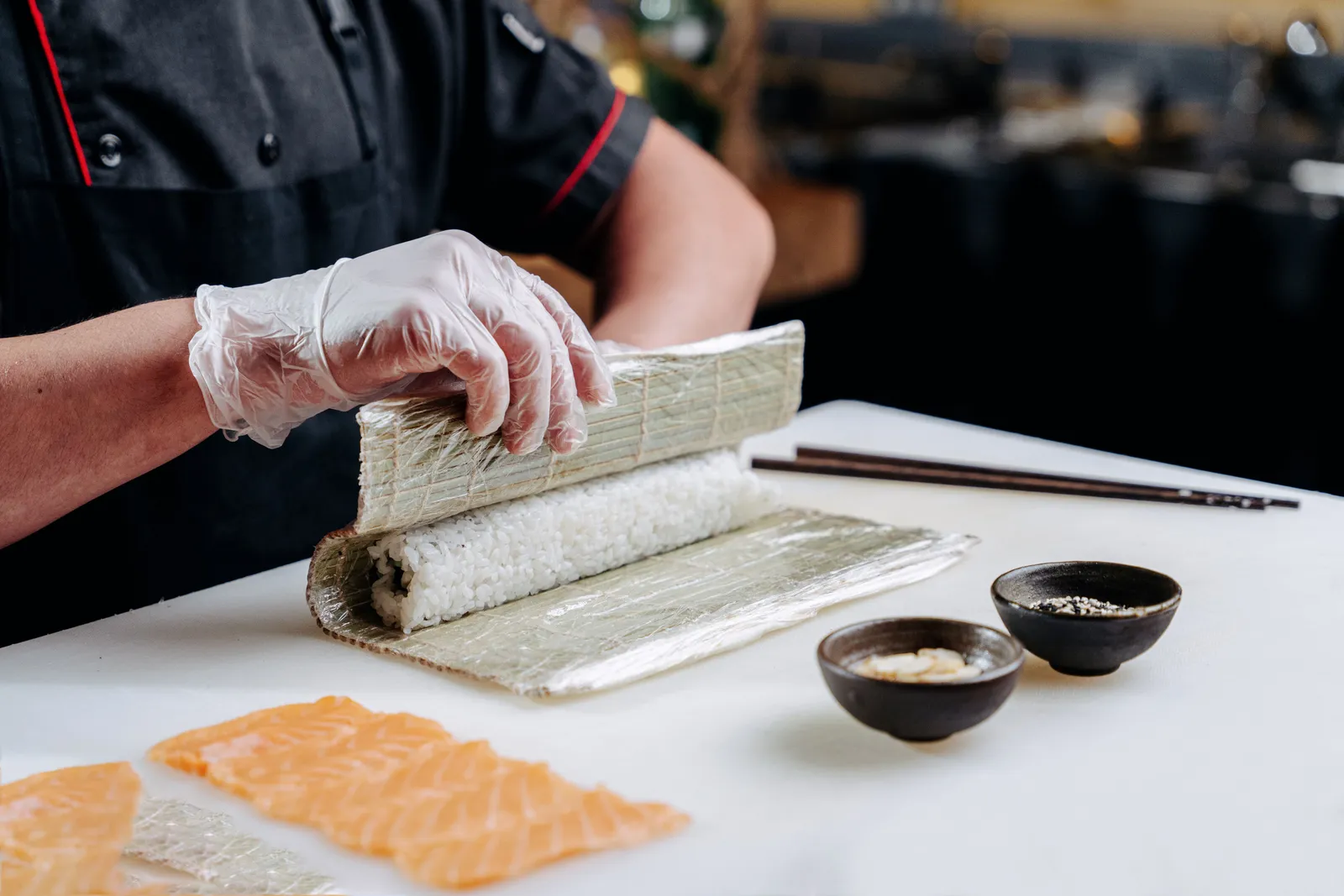
Nikujaga, rice cooked in a pot, miso soup from scratch. At ABC Cooking Studio, that exact menu is one of the trial lessons for first-timers, listed at ¥550 and currently free. At Osaka Gas Cooking School, the same trio sits on the menu written for overseas visitors, and a family of four pays from ¥13,200 each, with any interpreter on top.
Nothing about the potatoes changes between the two kitchens. What changes is the language of the booking form, the language at the stove and who is standing next to you. Even at the full trial price, that is a factor of 24, and it is the whole story of cooking classes in Japan.
Most of the visitor classes below land between ¥8,000 and ¥16,000 a head, and the difference between the cheap and dear end is rarely the food. It is the hour spent walking a market first, whether strangers share your table, and whether the teacher speaks English all morning. Pay for those on purpose, or not at all. Prices here are the ones in force in November 2026.
In This Article
- What the fee actually buys
- Osaka: takoyaki in a kitchen, sushi in a studio
- A home takoyaki class near Umeda
- Cooking Sun, Namba
- Osaka Gas Cooking School, the Japanese-run option
- Kyoto: a family kitchen, a studio, and sushi rolls as pictures
- Haru Cooking Class
- Cooking Sun Kyoto
- Kazari-maki: decorative sushi rolls
- Tokyo: the fish-market morning
- Yokohama: shop first, then cook
- Hida-Furukawa: lunch in a country kitchen
- Japanese-run classes you can actually join
- Cheaper ways to learn
- The classes side by side
- Which one to book
What the fee actually buys
Strip a class down and five things set the price. Learn them and you can read any listing in ten seconds.
The walk. A market or shopping-street tour before the cooking adds an hour or more and a guide, and the two classes here that include one are both ¥15,000. Tokyo’s Tsukiji class and Yokohama’s shopping-street class open this way. The street itself is free; you are paying for someone to explain what is in the barrels.
The dish count. A takoyaki lesson makes one thing, fast. A home-cooking class makes a soup and three or four small dishes, which is how a Japanese family eats and why those classes run three hours or more. Sushi costs more than street food: one Osaka host charges ¥2,800 more for sushi than for takoyaki.
Private or shared. Most home classes are small groups where other people may book the same slot. Private rates are quoted per group and fall per head as the group grows, but rarely below the shared price.
Diet. Vegetarian and vegan versions are common now, but read the small print. A Japanese “vegetarian” menu can still build the soup on dashi made with fish. One class in Kyoto says so on its price page; ask anywhere else.
Length. Ninety minutes to four hours. Per hour, the long home classes are often the cheapest classes going.
Osaka: takoyaki in a kitchen, sushi in a studio
Osaka’s classes split into home kitchens, where a local host teaches the city’s street food at her own table, and studios that run to a timetable. The home kitchens are cheaper, and they are where the takoyaki pan comes out.
A home takoyaki class near Umeda
Eiko teaches from her house near Chibune station on the Hanshin line, ten minutes from Umeda, and meets guests at the station with a sign. Her takoyaki class on airKitchen costs ¥9,200 a person for 1.5 hours, with ramen or udon on the side and a maximum of six guests. She takes one group a day, so you will not be sharing the hotplate with strangers.
The rest of her list runs from ¥8,000 for a Japanese curry lunch to ¥12,000 for sushi or kushikatsu, battered and fried skewers. One detail is worth knowing: the Japanese-language listing for the same curry-or-hayashi-rice lunch is ¥4,000, half the English one. If you read Japanese and want curry, that is the cheapest home lesson in Osaka.
Cooking Sun, Namba
Cooking Sun runs studio classes in Osaka, Kyoto and Tokyo. The Osaka sushi class runs 09:30–12:30 at a studio in Shiokusa, Naniwa Ward, near Namba, and you make three kinds of sushi. Adults pay ¥10,500 alone, ¥10,000 each for two or three, and ¥9,500 each for four to eight; children aged 6 to 12 pay ¥6,000 and under-sixes are free. A ramen class with noodles and soup made from scratch runs alongside, and there is a vegan option.
From June 2026 the Osaka sushi class runs on Tuesdays and Fridays only, so check the day before you plan around it. Booking the studio privately costs ¥50,000 for one or two people, rising to ¥60,000 for four. That is never cheaper per head than the shared class; it buys privacy and your choice of menu.
Osaka Gas Cooking School, the Japanese-run option
The Osaka Gas cooking school traces its work back more than a century, and its everyday lessons are for local residents, in Japanese. Its programme for overseas visitors offers onigiri and miso soup, a bento, or nikujaga with pot-cooked rice, each about two hours, at the Yodoyabashi studio in the gas company’s head office or at Hug Museum by Dome-mae Chiyozaki station.
The listed ¥6,600 a head is for coach parties of 24 or more. Families and small groups from two people are taken by arrangement, with the example of four people at ¥13,200 each and up. The school states plainly that its staff do not speak foreign languages; recipes come in Japanese and English, and an interpreter costs extra. Apply at least two months ahead, and note that you eat everything on the spot: nothing goes home in a box.
That is a lot for nikujaga. The case for it is a professional teaching kitchen and a teacher at every table, and if your group has one confident Japanese speaker, the interpreter fee disappears.
Kyoto: a family kitchen, a studio, and sushi rolls as pictures
Haru Cooking Class
Taro has taught from his family home in Kyoto since 2010, and his course and rate page is the plainest price list of any class here: it tells you what the extra money buys. Four vegetable dishes cost ¥7,700 a person; add a wagyu dish and it becomes ¥9,800. Vegetarians and meat-eaters sit at the same table, and the vegetarian course still uses dashi made with fish stock.
The class starts at 13:00 and runs three to four hours, with a maximum of eight guests, one class a day, no private bookings and cash only. City bus 205 to the Shin-Aoibashi stop gets you there from downtown or Kyoto Station. Reservations open four months ahead, which matters in cherry-blossom and autumn-leaf season.
Cooking Sun Kyoto
The Kyoto studio in Funayacho, Shimogyo Ward, charges the same rates as Osaka: ¥9,500–10,500 for an adult depending on group size. The afternoon class has an izakaya menu, and a glass of sake costs ¥600 more. It suits you if Haru is full or if you want a morning slot.
Kazari-maki: decorative sushi rolls
Kazari-maki are decorative sushi rolls: the rice is coloured and the fillings are built up in layers, so a flower, a face or a panda appears when the roll is sliced. It is a craft more than a meal, and it is taught as one.
SAKURA, a small culture school in Nakagyo Ward, teaches art sushi rolls with a Kyoto-born instructor holding first-class certification from the JSIA sushi instructors’ association. Its private class at a local home, booked through the school’s own booking page, starts at ¥16,700 for about an hour, and the beginner roll is a peach blossom. Certification courses run at two levels, the first covering peach blossom, rose and the traditional shikai-maki, the second nine designs from a train to a crab; booking both together takes ¥5,000 off.
Per minute, this is the dearest class here. Per skill, it is fair: you leave able to make something no restaurant at home serves. If you want to make a morning of crafts, Kyoto’s calligraphy classes start far cheaper.
For a sense of what the Japanese-run world charges, Kyoto City International Foundation held a hands-on sushi session in February 2026 at Yamabana Heihachi Chaya, taught by the restaurant’s 21st-generation owner, for ¥2,000. The catch, spelled out on the flyer for that sushi session: it was open only to students, Japanese and international, twenty places by lottery.
Tokyo: the fish-market morning
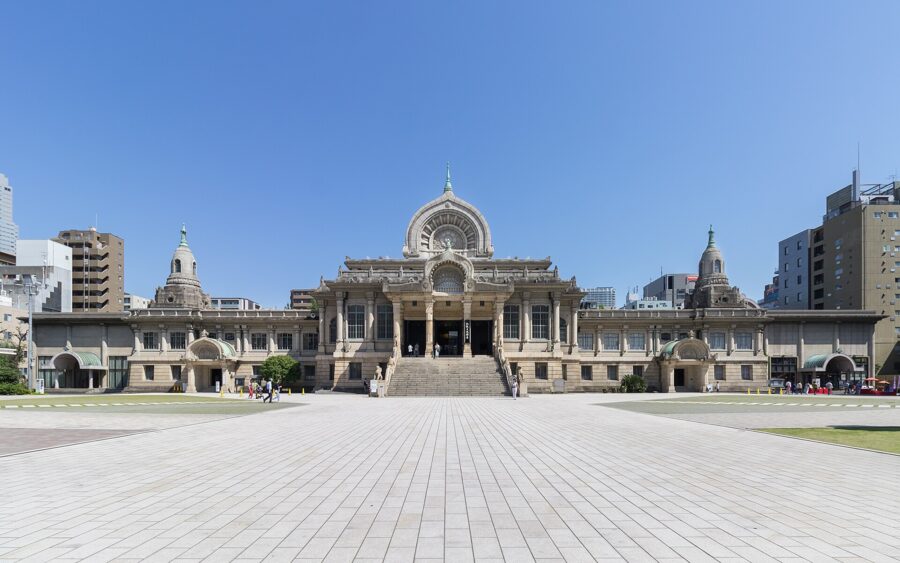
ABC Cooking Studio, the country’s largest chain of cooking schools, runs a visitor arm called ABC Cooking Travel. Its Tsukiji tour and sushi lesson costs ¥15,000 a person and takes about three hours, twice a day. You meet at Tsukiji Hongwanji at 09:20 or 12:20, walk the outer market with a guide, ride a bus to the studio and make a sushi roll, temari sushi (little balls), a rolled omelette and miso soup from dashi.
It needs two people to run, and children must be over nine and at least 130cm tall. If you were going to walk Tsukiji anyway, the guided hour is the part you could skip; the lesson itself is a sushi class much like the Osaka and Kyoto studio ones, which cost less.
The same company’s ordinary Japanese-language studios, covered further down, cost a fraction of this. Cooking Sun also has a Tokyo studio in Shinanomachi; its private rates match the other two cities.
Yokohama: shop first, then cook
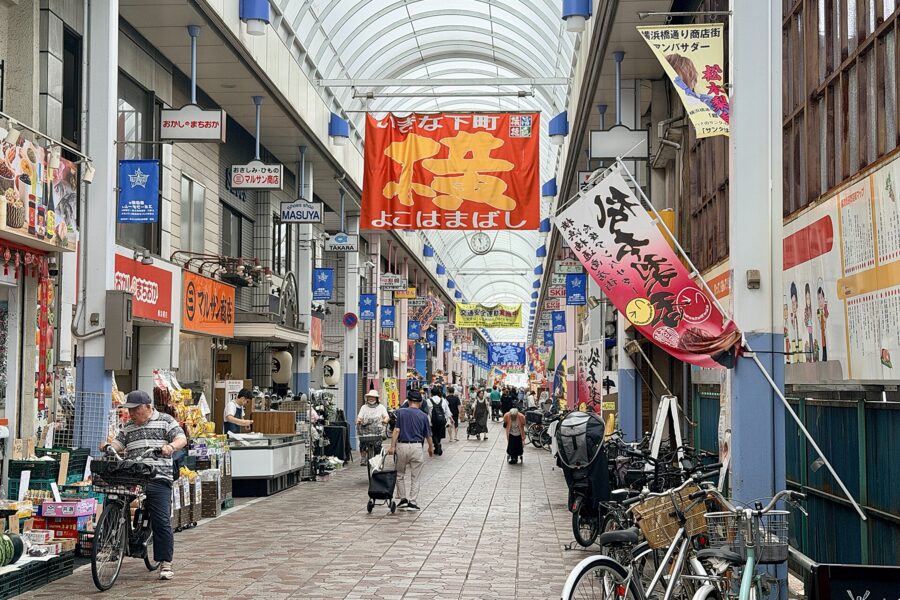
Yokohama’s shopping-street class is the one that takes the market walk most seriously. Osusowake-Kitchen meets guests at the Yokohamabashi police box in Yayoi-cho, Naka Ward; the nearest station is Bandobashi on the municipal subway’s Blue Line. You walk Yokohamabashi Shopping Street with the host, buy the ingredients at its specialty shops, then go by taxi to his home kitchen.
On the menu: dashimaki tamago, a rolled omelette made with broth, and maki sushi with fillings you choose while shopping, with fried chicken and teriyaki chicken turning up in guests’ accounts. The class page gives ¥15,000 a person, or ¥8,000 for children under 14, covering ingredients, the lesson and the taxi; the class runs about three and a half hours.
The catch is confirmation. The class is still bookable on the big listing sites, but the host’s own calendar pages stop at 2024 and show no 2026 dates, so email before you plan a day around it. Payment is taken in advance by overseas money transfer.
The cheap Yokohama alternative is noodles. At the Cupnoodles Museum Yokohama, admission is ¥500 for adults, and the Chicken Ramen Factory, where you knead, roll, steam and season instant noodles from flour, costs ¥1,200 from junior high age, ¥600 for primary pupils, on top of admission. Slots open three months ahead at 10:00.
It is not Japanese home cooking, but it is a real hands-on noodle lesson for ¥1,700 all in. The Yokohama museum’s admission page lists every charge.
Hida-Furukawa: lunch in a country kitchen
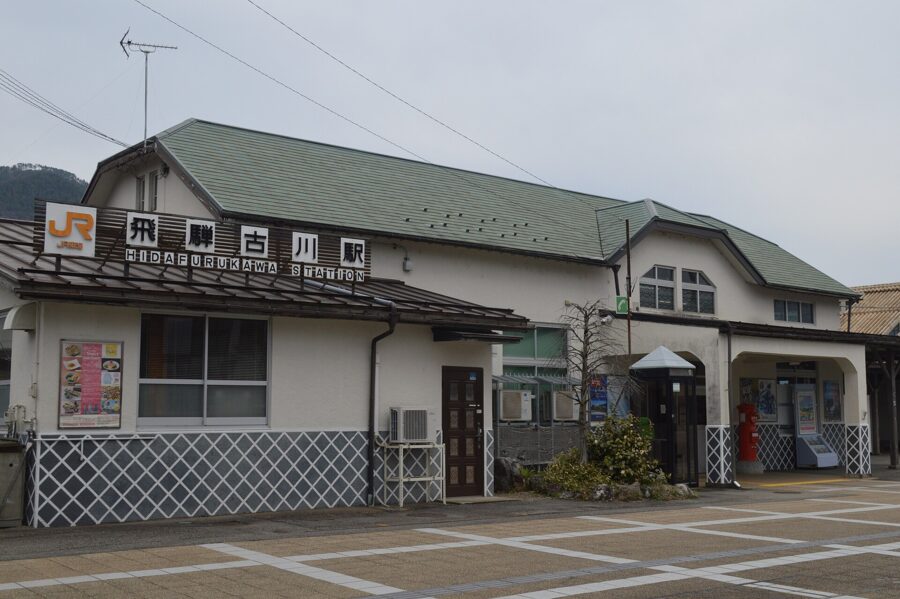
Hida-Furukawa is the quiet canal town just north of Takayama on the JR Takayama Line, and its cooking class is the most rural of the lot. Hida Cooking Class is run by Yoko from her house in Kokufu, three minutes’ drive from Hida-Furukawa station. Her staff collect you at the station at 10:00; she suggests the 09:40 train from Takayama. Class runs to about 13:30, in English, for up to six people.
The menu is the Hida countryside food she cooks for her family: two side dishes and rice steamed with vegetables, all of it meat-free. The class rates are private ones: ¥20,000 for one person, ¥30,000 for two, ¥39,000 for three, ¥48,000 for four and ¥55,000 for five, tax included. The site also describes a shared group lesson, where others may join your date, but does not print its price, so ask when you email.
Two small warnings. The price page says it can handle vegan or gluten-free requests; the FAQ says gluten-free is not offered yet. And payment is by card in advance, with a full refund only if you cancel more than a week out.
If one person pays ¥20,000, look at the Takayama side instead. OBACHAN, where groups of local women teach Takayama regional cooking at Ichinomiya, south of town, lists its class at ¥12,000 a person including lunch and tax, from 10:00, booked by 17:00 four days ahead. Takayama’s tourism site still shows ¥8,800 for the same class; the booking page is the current figure. You need your own way there, about 20 minutes by car from JR Takayama.
A Furukawa home-cooking class also appears on the big listing sites, but showed no availability in November 2026.
Japanese-run classes you can actually join
Japan’s big cooking-school chains are cheap to try because they want you to sign up. ABC Cooking Studio’s first-timer trial lessons are listed at ¥550 and are currently free. Menus change through the year; the current list includes the nikujaga, pot rice and miso soup set from the opening, alongside cakes and breads. The lesson is in Japanese, the booking is in Japanese, and you are a polite prospect for a membership you will never buy.
Osaka Gas Cooking School’s ordinary lessons work the same way; its lesson search starts with a price band of ¥1,500 and under. Both are realistic only if you can follow a teacher in Japanese, or travel with someone who can. If you can, the saving over a visitor class is ¥7,000 or more, and the room is full of locals.
Community classes, the ones run by city international associations and ward halls, can be cheaper still; the Kyoto sushi session above was ¥2,000. They are aimed at residents and students, and that one was a lottery among students. Worth a look if you are staying for months; not if you are staying for a week.
Cheaper ways to learn
A cooking class is three hours of someone explaining what to buy and what to do with it. You can get most of that without paying for the three hours.
Read a depachika. The food halls under department stores sell nearly every dish in a home-cooking class, ready-made and labelled, much of it sold by weight. Buy the nikujaga, the simmered vegetables and the rolled omelette for dinner and you have a tasting menu of what Haru or Eiko would teach.
Supermarket ready meals. Cheaper again, and the side-dish shelves are a crash course in what a Japanese family eats on a Tuesday. Evening discount stickers are part of the game.
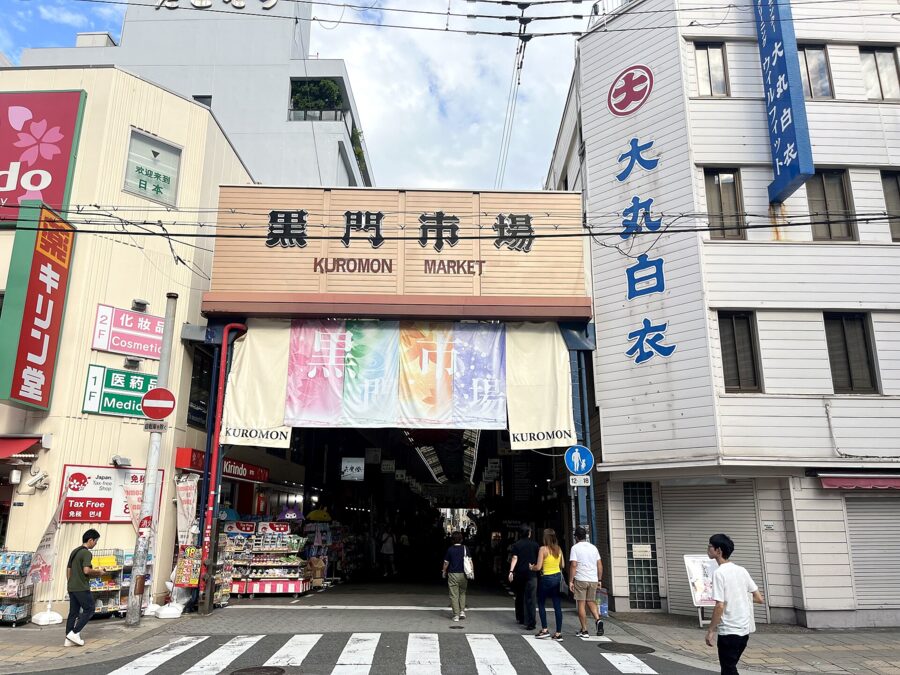
A guesthouse kitchen. Hostels and many guesthouses have shared kitchens with rice cookers. Buy at Kuromon or Yokohamabashi, cook what you watched at the counter, and the lesson costs the ingredients.
A counter where they cook in front of you. Okonomiyaki and teppanyaki counters, takoyaki stands and sushi bars are cooking demonstrations with dinner included. Sit at the counter, not a table, and watch the hands.
The noodle factory in Ikeda. Instant ramen was invented in Ikeda, and the museum there charges no admission. The Chicken Ramen Factory costs ¥1,200 from junior high age and ¥600 for primary pupils, takes 70 minutes, and starts at 09:40, 10:50, 12:00, 14:00 and 15:10. You knead the dough, roll it out, steam it, season it and dry it in hot oil, the way the first instant noodles were made.
Pre-school children cannot take part. Designing your own cup at the walk-in noodle workshop costs ¥500 a cup, and the museum closes on Tuesdays.
The classes side by side
| Class | City | Price per person | Length | What you cook | Catch |
|---|---|---|---|---|---|
| ABC Cooking Studio trial | Tokyo, Osaka, nationwide | ¥550 (currently ¥0) | Single lesson | Varies; nikujaga, pot rice, miso soup on the current list | First-timers only; all in Japanese |
| Chicken Ramen Factory | Ikeda (Osaka); Yokohama | ¥1,200; Yokohama adds ¥500 entry | 70 min | Instant ramen from flour | Not Japanese home cooking; book ahead |
| Haru Cooking Class | Kyoto | ¥7,700 / ¥9,800 with wagyu | 3–4 hours | Four vegetable dishes, wagyu optional | Cash only; veg course uses fish dashi |
| Eiko (airKitchen) | Osaka | ¥9,200 takoyaki; ¥8,000–12,000 others | 1.5 hours | Takoyaki plus ramen or udon | One group a day; host’s home, not a studio |
| Cooking Sun | Osaka, Kyoto | ¥9,500–10,500 | 3 hours | Three kinds of sushi, or ramen | Osaka sushi Tue and Fri only |
| OBACHAN | Takayama | ¥12,000 with lunch | Morning | Takayama regional dishes | Own transport, 20 min by car |
| Osaka Gas Cooking School | Osaka | From ¥13,200 (group of 4) | About 2 hours | Onigiri, bento or nikujaga | No English-speaking staff |
| ABC Cooking Travel, Tsukiji | Tokyo | ¥15,000 | About 3 hours | Sushi roll, temari, omelette, miso | Minimum two people |
| Osusowake-Kitchen | Yokohama | ¥15,000 | About 3.5 hours | Rolled omelette, maki sushi | 2026 dates unconfirmed; pay in advance |
| SAKURA art sushi rolls | Kyoto | From ¥16,700, private | About 1 hour | One decorative roll | Dearest per minute |
| Hida Cooking Class | Hida-Furukawa | ¥20,000 for one; ¥11,000 each for five | About 3.5 hours | Two sides, vegetable rice | Group price not published |
Which one to book
For one class on a first trip, book Haru in Kyoto or Eiko in Osaka. Both put you in a real family kitchen for under ¥10,000, and Haru gives you a full meal for the money. Pay for Tsukiji or Yokohamabashi only if you want the market walk explained, and book kazari-maki only if the decorative roll itself is the point.
If anyone in your group reads Japanese, ignore all of the above and book the nikujaga at ABC. Same potatoes, same pot of rice, at least ¥12,650 a head less than Osaka Gas, and the people at the next bench are learning it for their own dinner tables.