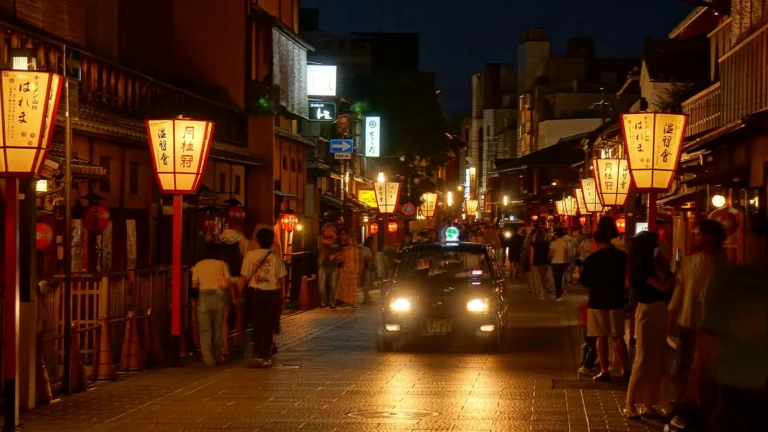
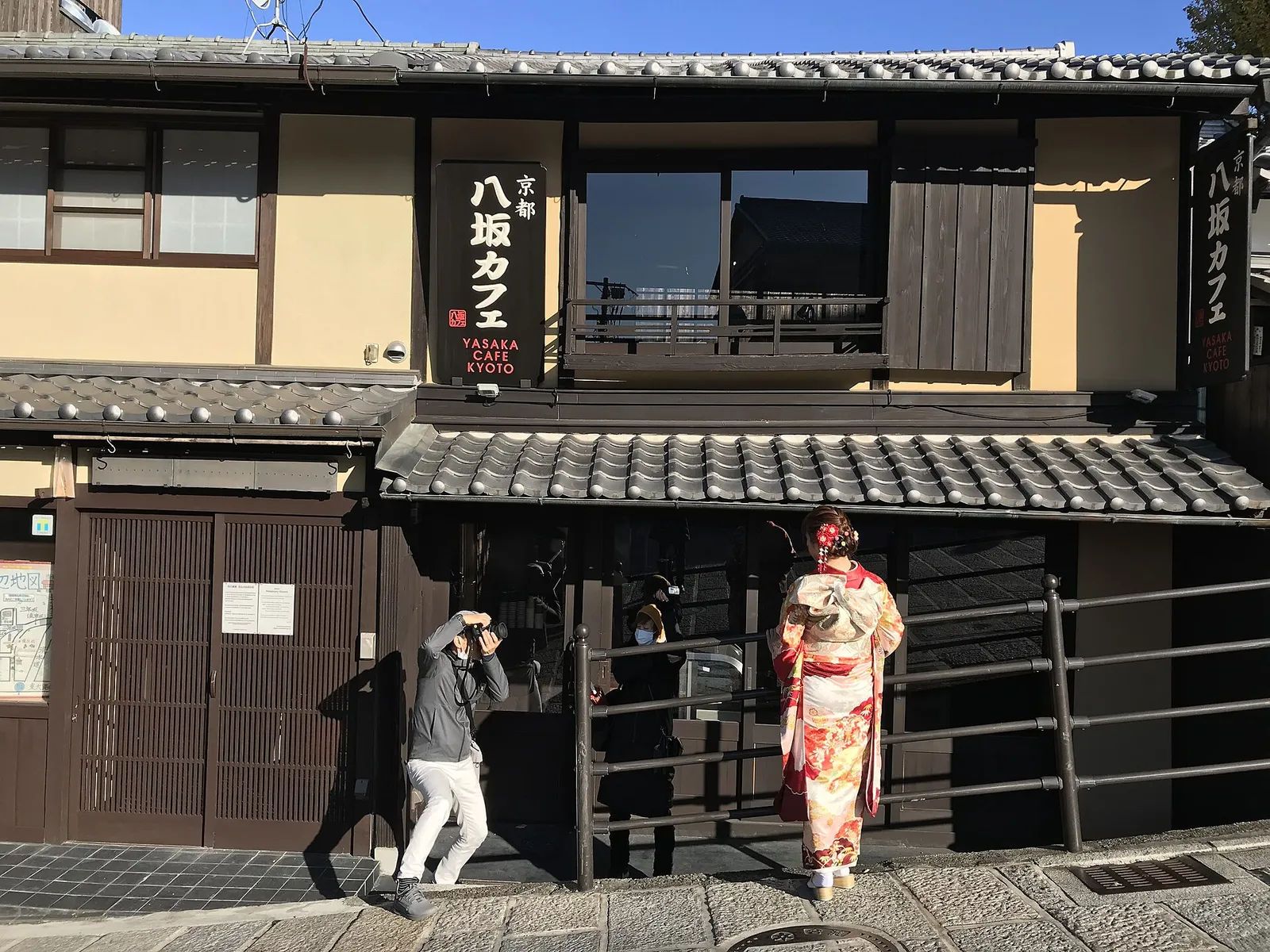
An hour with a photographer booked through fotowa, the Japanese family-photo site, costs ¥24,200 on a weekday. The photographer travels to you at no extra charge, and 75 or more photos come back. Book the same hour in English through Photo My Tokyo and the bill is ¥60,000.
Talent has little to do with the gap. You are paying for who answers your messages, in which language, and who has already worked out where you are allowed to stand. A Japanese platform expects you to explain, in Japanese, that you want the Dotonbori bridges after dark and your toddler awake for it. An English one charges for doing that thinking for you.
Some of that thinking is worth more than it looks. In Shinjuku Gyoen, a garden booking sites still suggest for proposals, paying a professional to take your own souvenir photos is not allowed at all.
In This Article
What the money buys
Five things set the price of a holiday shoot in Japan: minutes, photos, whose travel, which day and how much editing. Two listings with the same headline price can differ on all five, so compare them line by line before you compare the totals.
Minutes. Thirty minutes is the shortest slot on the English-language platforms, and it covers one location. fotowa counts 60 minutes, but that hour includes the photographer setting up and packing away. OurPhoto sells one-hour slots with 50 minutes of actual shooting.
Photos. Localgrapher’s 30-minute package delivers 20 edited photos and its hour delivers 35. fotowa promises 75 or more, Lovegraph 75 or more, and OurPhoto at least 30, with an average of about 100.
Those Japanese counts are “photo data”. fotowa states that individual retouching such as skin smoothing, background removal and cropping is not included. Photo My Tokyo does not hand over RAW files; you get its edited gallery.
Travel. On fotowa the photographer’s travel to your chosen spot is inside the price, though some photographers add ¥3,000 for distant locations and the booking form tells you when. OurPhoto’s prices include travel, photo data and consumption tax. Lovegraph includes travel unless you ask for somewhere outside your photographer’s area.
The day. Weekends and public holidays cost more on most Japanese platforms: fotowa goes from ¥24,200 to ¥29,700, and each OurPhoto photographer sets a weekday and a weekend price. Lovegraph charges the same on both, but adds a fee on a few heavily booked dates. Photo My Tokyo and Localgrapher charge one price whatever the day.
Sunrise. None of the fixed-price platforms here charges more for an early slot, which makes the 07:00 start the cheapest upgrade a shoot can have. You get soft light and streets without other people in them, and the photographer does not bill for the alarm clock. Localgrapher notes that its sunset slots and weekend dates are the ones that sell out first.
Delivery and cancellation also vary. Photo My Tokyo sends the gallery in 5–7 business days and accepts cancellations up to three days before. Lovegraph charges ¥2,750 to cancel 3–10 days out, ¥5,500 on the day before or two days before, and ¥7,700 on the day. fotowa lets you move the date free of charge when someone falls ill or the weather turns.
The platforms, priced side by side
These are the prices in force in November 2026, from each platform’s own price page or listing. All yen prices include consumption tax.
| Platform | Language | Shortest session | Price | Photos | Weekend |
|---|---|---|---|---|---|
| Photo My Tokyo | English | 30 min | ¥49,000 (1 hour ¥60,000) | Edited gallery, no count stated | Same price |
| Localgrapher | English | 30 min | US dollars only | 20 edited | Same price |
| Flytographer | English | 30 min | US dollars only | Set number per package | Not stated |
| Klook, Asakusa plan | English, Japanese, Chinese | 30 min | ¥13,800 (booking for two) | 50+ unedited originals | Not stated |
| fotowa | Japanese | 60 min | ¥24,200 | 75+ | ¥29,700 |
| OurPhoto | Japanese | 50 min | From ¥11,000 | 30+ | Set by photographer |
| Lovegraph | Japanese | 1–1.5 hours | From ¥26,180 | 75+ | Same price |
| ふぉとる (photoru) | Japanese | Up to 1 hour | ¥13,200 | Up to 10 | ¥15,400 |
Booking in English
Photo My Tokyo’s price list is the clearest of the English options and the only one priced in yen. Thirty minutes costs ¥49,000, an hour ¥60,000 and two hours with two locations ¥86,000, the same in Tokyo, Kyoto, Osaka, Nara and Sapporo. Couples’ prices cover two people; family prices cover five, with ¥7,500 for each extra person up to ten. Anywhere else, Nagoya and Kawasaki included, is priced by quote.
Localgrapher’s packages are fixed and identical in every city in the world: 30 minutes for 20 edited photos, 60 minutes for 35, 100 minutes for 60 and 120 minutes for 75. Flytographer’s Tokyo packages also start at 30 minutes, with the gallery emailed within five days. Both price in US dollars, so your card company sets the yen figure on the day. At any exchange rate of recent years, their 30 minutes costs more than a full weekday hour on fotowa.
Klook sells individual photographers’ plans rather than a single price list. Its Asakusa private photoshoot is a fair sample: ¥13,800 for the 30-minute plan, booked as a unit for two, meeting at the Asakusa Culture Tourist Information Center. You get more than 50 photos as unedited originals, the operator can post its favourite shot on its own social media unless you say no, and shoots outside central Asakusa cost ¥5,000 more.
Booking in Japanese
Japan’s own 出張撮影 (shutcho satsuei, a photographer who comes to you) platforms are built for local families photographing a baby’s first shrine visit or a child’s shichi-go-san (the shrine visit at ages three, five and seven). That is why they are cheap and why they deliver so many photos: volume is what a Japanese parent wants. A couple on holiday can book them just the same.
fotowa’s flat price is ¥24,200 on weekdays and ¥29,700 at weekends, with no nomination fee for picking a particular photographer, and it takes Visa, Mastercard, JCB, American Express and Diners. OurPhoto starts at ¥11,000 for 50 minutes, each photographer setting their own rate. Lovegraph starts at ¥26,180 for 1–1.5 hours and 75 photos, and some of its photographers add a nomination fee.
ふぉとる (photoru) sells three tiers. On weekdays, ¥13,200 buys up to an hour and at most ten photos, ¥24,200 buys up to two hours and 50 photos, and ¥56,100 buys up to five hours with no limit on photos. Weekends cost ¥15,400, ¥28,600 and ¥61,600, and from 1 October to 31 December a seasonal price applies for the shichi-go-san rush.
The catch is language. The sites, the booking forms and the messages are in Japanese, and most of these photographers rarely shoot for anyone from abroad. A translation app gets you through the form. Then write your plan out in full, in short sentences: the place, the meeting point, the time, how many people, and the two or three shots you care about.
City by city
The price of the photographer barely changes between cities. The fixed-price platforms charge the same in Sapporo as in Tokyo, and the Japanese platforms charge the same nationwide. What changes is how many photographers you can choose from and what the place you want to stand in allows.
Osaka
Osaka is the easy city. Localgrapher lists six photographers here, Photo My Tokyo charges its standard ¥49,000 for 30 minutes, and fotowa’s Osaka city page has its own pool of local photographers at the usual flat rate. Read listing titles before you book, though: plenty of shoots sold under “Osaka” actually take place in Kyoto.
The usual Osaka pair is Dotonbori after dark and Osaka Castle Park by day, and the park tops Localgrapher’s list of the Osaka spots its clients book most. Neither needs a ticket for the photos most people want. The castle looks best from the grounds and the moat, not from inside the keep.
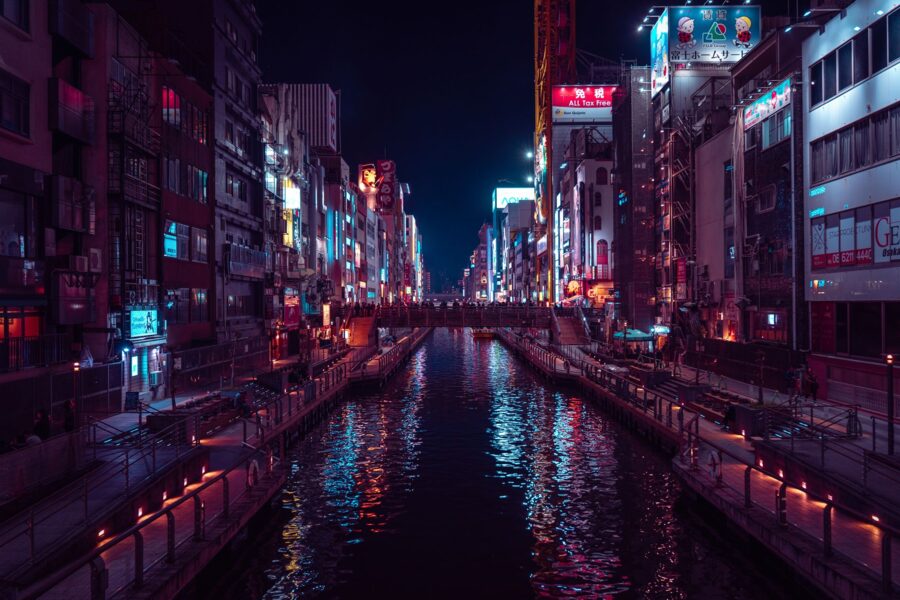
Osaka is also where a short, cheap session makes most sense. Neon at night suits a 30-minute booking, so OurPhoto’s ¥11,000 slot or a 30-minute English-language plan covers it. Spend the longer, dearer session in Kyoto, where the streets change every five minutes’ walk.
Kyoto
Kyoto has the most photographers and the most rules. Localgrapher lists six here, with Maruyama Park and Fushimi Inari among the spots its clients book most. Photo My Tokyo charges the same as in Osaka.
The rules are about Gion. Kyoto City’s sightseeing guidelines, reissued in March 2026, ask you not to photograph geiko or maiko without permission, not to enter private property and not to block the street. They add that photography is only permitted in designated areas and that violations may result in fines. The lanes running off Hanamikoji in southern Gion are private roads, and the rules leaflet Kyoto City publishes for the district says plainly: no photography on private roads.
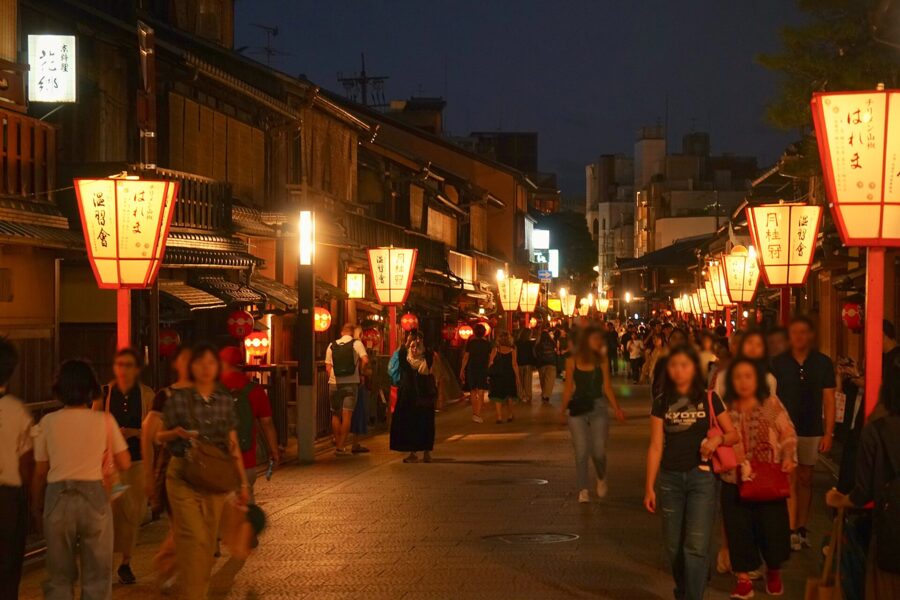
A good Kyoto photographer knows this and plans around it, which is part of what you pay for. Higashiyama’s slopes, Ninenzaka and Sannenzaka, are where most kimono shoots happen, and they are packed by mid-morning. Book the first slot of the day.
Tokyo and Kawasaki
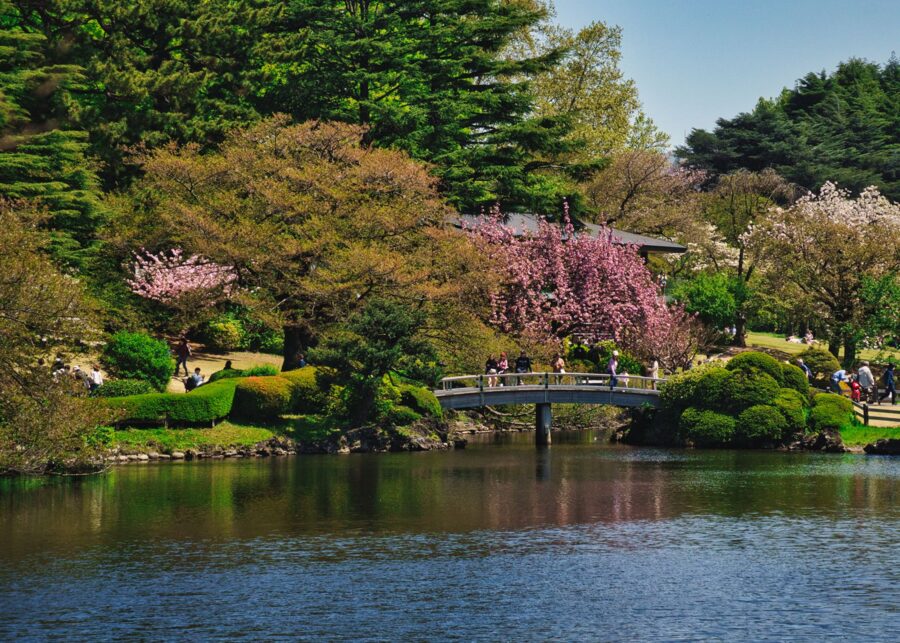
Tokyo has the deepest bench of photographers on every platform, and one rule that catches people out. Shinjuku Gyoen’s rules for photography with equipment allow personal photos with no paperwork, but give paying a professional photographer for your own souvenir photos as an example of a shoot that is not permitted. Hire a photographer for Tokyo and pick a public street, Asakusa, or a park that allows it.
The same page bans tripods and reflectors for shooting a particular person during the garden’s busiest periods. In 2026 that meant 19 March to 26 April across the whole garden and 1–15 November in the Japanese garden; 25–31 March 2027 is already set, and dates after that are still to be announced.
Kawasaki, across the Tama River, is thinner on English-language choice: Localgrapher lists three photographers and Photo My Tokyo prices it by quote. The Japanese platforms work here as anywhere else in Kanagawa, and fotowa’s flat rate is the same as in central Tokyo.
The spot people ask about in Kawasaki is Nihon Minka-en, the open-air museum of old farmhouses in Ikuta Ryokuchi park. Its photography rules need no application for personal photos, but they ban model shoots and cosplay shoots, reflectors and large lights. Tripods, monopods and selfie sticks cannot be used on the floors, earthen floors or under the eaves of the houses, and on its busiest days, such as the evening openings and the autumn festival on 3 November, not anywhere at all.
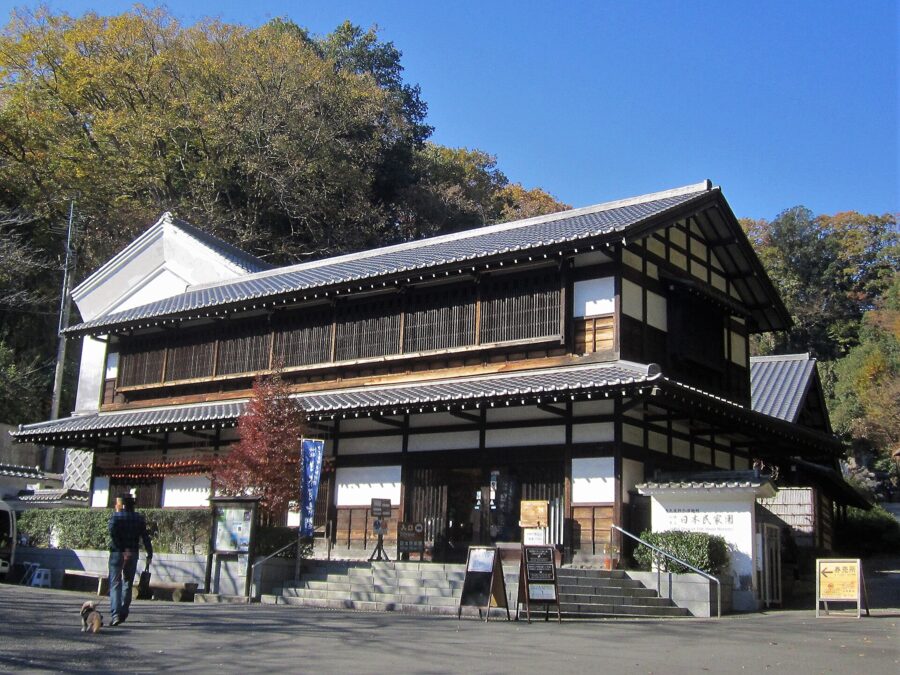
Nagoya
Nagoya is where the English-language platforms run out. Localgrapher lists one photographer for the city, and Photo My Tokyo prices it by quote. The Japanese platforms are the realistic choice here, and fotowa’s Nagoya page lists local photographers at the same flat ¥24,200.
Nagoya Castle adds a fee most people do not know about. The castle grounds are a city park, and Nagoya Castle’s application rules say anyone photographing as a business needs a permit under the city’s park ordinance, at ¥1,300 per photographer for stills. Apply at least ten days ahead; drones are banned in principle.
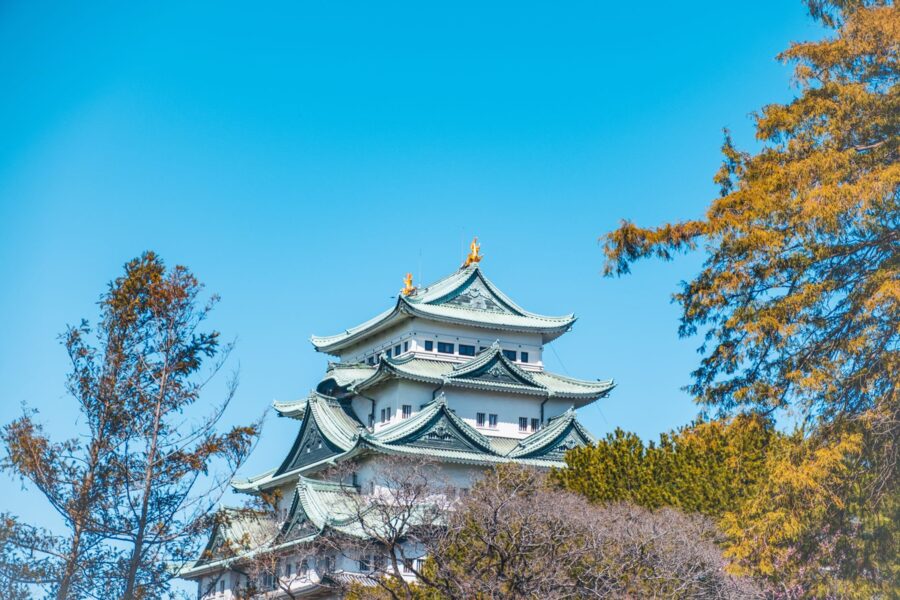
Admission to Nagoya Castle has been ¥1,000 for adults since 1 October 2026, and free for children of junior high school age and under. So a weekday fotowa hour at the castle costs ¥24,200, plus ¥1,300 for the permit, plus ¥1,000 per adult, photographer included.
Sapporo
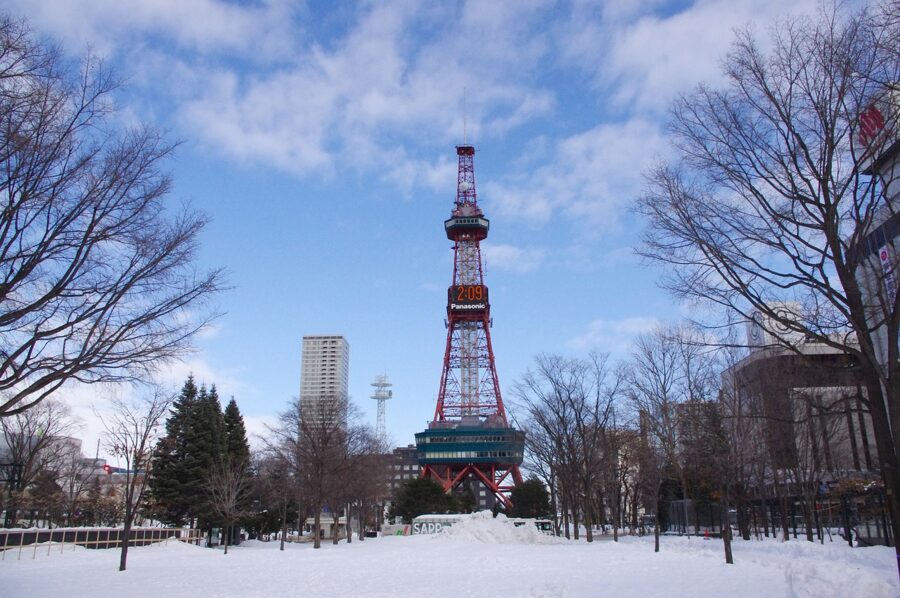
Sapporo is one of Photo My Tokyo’s standard cities, so its 30 minutes costs the same ¥49,000 as in Tokyo. Localgrapher lists two photographers, and fotowa has a Sapporo page at the national flat rate. Odori Park, Moerenuma Park and Hokkaido Shrine are the spots Localgrapher’s clients book most.
I could not confirm Hokkaido Shrine’s current rules for hired photographers, so ask yours to check before you build the shoot around it. Odori Park in the city centre is the safe choice, and in winter it is the easiest of the three to reach, with Odori subway station underneath it.
Kimono and a photographer: the combined bill
A kimono shoot is two purchases: the outfit with dressing and hair, and the photographer. Book them separately and you pay a rental shop’s price plus a photographer’s, and arrange for the two to meet. On the Japanese platforms, that means a ¥11,000–¥29,700 session on top of the rental.
The cheaper way to get both is a studio that does everything in one visit. Studio Kokoro Arashiyama, inside Randen Arashiyama Station in Kyoto, charges from ¥15,950 for its kimono plan, ¥14,850 for maiko and ¥17,050 for oiran. Each includes the outfit, hair and make-up, dressing, a studio shoot and retouched photo data, delivered within a month.
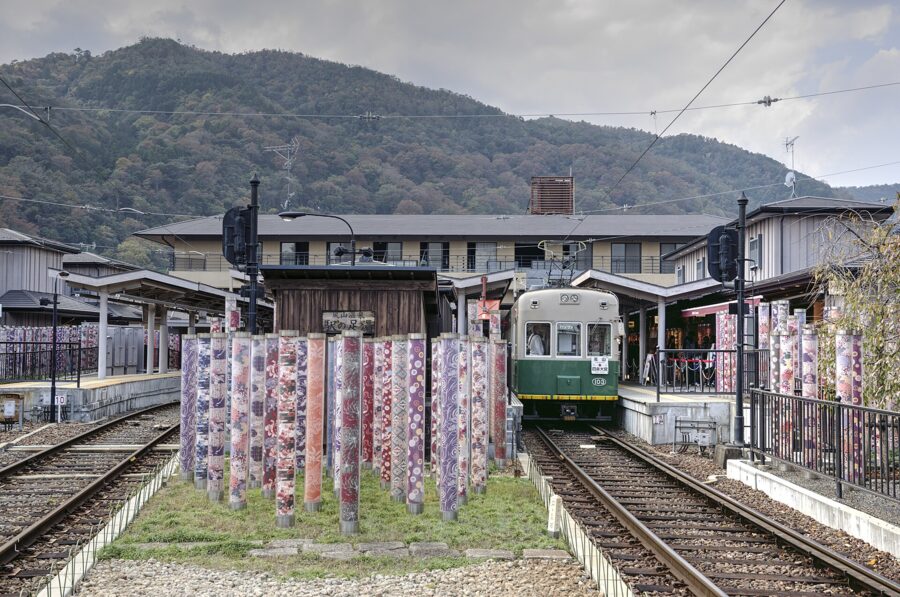
What you give up is the street. The studio’s photos are taken on its own sets, not in front of a temple, and that is how the whole package costs less than a weekday fotowa hour on its own. If the photo you want has Kiyomizu-dera behind it, pay for the rental and a photographer. If the photo you want is of you in a maiko’s make-up, the studio wins on cost and on result.
The cheap ways to be in your own photos
A phone, a self-timer and a small tripod cost nothing extra if you already own them, and they are allowed in most streets and parks. The exceptions are the ones above: Shinjuku Gyoen in the blossom and chrysanthemum weeks, inside the farmhouses at Nihon Minka-en, and the private lanes of Gion, where the camera is the problem, not the tripod. Set up at the edge of the path, not in the middle of it, and pack up when a crowd arrives.
Asking a stranger is free and works better than you expect. Frame the shot first, show them where to stand, and hand over the phone with your thumb off the lens. Pick someone already holding a good camera, and offer to take theirs in return.
Purikura, the photo-sticker booths in every big arcade, are the cheapest way to get a professional-looking photo of two or three faces. You pay at the machine, the booth lights you, and you decorate the results on a touch screen before the sheet prints. They will not give you a temple or a canal behind you, but as a souvenir of Shibuya or Dotonbori they cost a fraction of any photographer’s fee.
The shortest paid session is the middle way. OurPhoto from ¥11,000, ふぉとる’s ¥13,200 weekday tier or Klook’s ¥13,800 Asakusa plan each get a working photographer for half an hour to an hour. Read the photo count before you book: ふぉとる’s cheapest tier stops at ten photos.
Who should pay for what
Couples: 30 minutes in one place is enough. If you can handle a booking in Japanese, an hour on OurPhoto or fotowa costs between a fifth and two-fifths of Photo My Tokyo’s ¥60,000 hour. If you cannot, Photo My Tokyo’s ¥49,000 buys planning in English, and that is worth paying for in Kyoto, where the rules are fiddly.
Families with small children: fotowa is built for you. It counts 75 or more photos, includes the photographer’s travel and moves the date free when a child gets sick. Photo My Tokyo’s family price covers five people, then ¥7,500 for each extra person.
Solo: Localgrapher pitches its 30-minute package at you, but 20 photos of one person is plenty from a much cheaper session. Take OurPhoto’s lowest rate, or the studio if the kimono is the point.
Proposals: Photo My Tokyo’s proposal session costs ¥75,000 for 55 minutes, including help with the timing and the hiding. Wherever you do it, do not plan it in Shinjuku Gyoen.
Skip the two-hour session unless you want two locations, and skip the Mt Fuji package unless Fuji is the trip. Photo My Tokyo’s hour at Kawaguchiko costs ¥125,000, and that covers the photographer’s travel, not yours: you still need the train, the bus or a private day tour from Tokyo to Mt Fuji to get there.
¥24,200 or ¥60,000 for the same hour. The extra ¥35,800 buys English and someone else’s planning; in Kyoto it can be worth it, and in front of Dotonbori’s neon it is a very expensive way to avoid using a translation app.