Outside the Apple Store in Shinsaibashi, two small groups wait under the same company’s flag. One booked Osaka Localized’s paid walk through Dotonbori, Kuromon Market and Namba and paid ¥3,850 a head. The other booked the free version, which the company says follows the same route with the same content, and will hand over whatever it thinks the two and a half hours were worth.
Across town at Osaka Castle, a volunteer in a green jinbaori, a sleeveless samurai-style coat, will walk you through the Otemon Gate and up to the keep for nothing. Ask the same volunteer group to show you Nakanoshima instead, and since October it costs ¥2,000.
Osaka is full of gaps like these. A guided half day on a bicycle costs ¥11,000; an electric bike from a share rack covers the same loop for ¥1,500. A private tasting tour of Kuromon Market costs ¥32,500 a head; walking into the market costs nothing. And three hours of badminton with people who live here costs ¥500.
In This Article
- The options and what each costs
- Free volunteer guides, and the new ¥2,000 fee
- Osaka SGG Club: free, but you pay the guide’s way
- Tip-based walks: what “free” costs
- E-bike and bicycle tours against riding on your own
- The same loop on a share bike
- Where you can ride, and the fines
- Cheap food walks: Dotonbori, Kuromon and Shinsekai
- Badminton and sport with locals
The options and what each costs
Prices are per adult, tax included, as listed in November 2026. “Tip” means no fixed price: you pay at the end, if you choose to.
| Option | Price | Length | Catch |
|---|---|---|---|
| Volunteer guide, Osaka Castle Park (OVGC) | Free | 60–90 minutes, 2 hours at most | Book 10 days ahead or hope a guide is free on the day |
| Volunteer guide elsewhere in the city (OVGC) | ¥2,000 per guide, split across the group | Up to 2 hours | New since 1 October 2026; daytime only |
| Osaka SGG Club goodwill guide | Free guiding; you pay the guide’s fares, meals and entry fees | Agreed with the guide | Book 10 days ahead; no bikes, no evenings |
| Osaka Free Walking Tour | Tip (¥1,000–¥2,000 is typical) | 2 hours 30 minutes | Booking required; meets at Namba Exit 15B |
| Osaka Localized free day or night walk | Tip | 2 hours 30 minutes (day), 2 hours (night) | Bookings of five people at most |
| Osaka Localized paid day walk | ¥3,850 | 2 hours 30 minutes | Same route as the free one |
| Walking Tours Osaka group walks | ¥7,000–¥13,000 | 3 hours | Food and drink only on the dearer tours |
| Cycle Osaka half-day bike tour | ¥11,000, or ¥14,000 on an e-bike | 3–4 hours | Ages 13 and up, groups of eight at most |
| NOLL bike share, 6-hour pass | ¥1,500 | Up to 6 hours | From 1 December 2026; needs a phone that takes SMS |
| HELLO CYCLING electric bike | ¥200 per 15 minutes, ¥4,000 cap per 12 hours | As long as you like | Prices vary by bike and port |
| Badminton with Omoroi Life | ¥500 (¥100 racket hire) | 3 hours | Indoor shoes; fee for late cancellation |
| Sports centre open day, Miyakojima | ¥200 | 1 hour 45 minutes per slot | One Saturday a month; first come, first served |
Free volunteer guides, and the new ¥2,000 fee
The NPO Osaka Volunteer Guide Council (OVGC) guides in Osaka Castle Park, and for individual travellers the park is still free. Its guides wear green coats and take groups from the main gates to the keep, pointing out the giant Tako-ishi stone, the Tokugawa-era turrets and the stone-mason marks on the walls. The most-requested route, the Otemon course, starts at the council’s signboard on the Otemae lawn and takes 60 to 90 minutes, stretched or shortened to suit you.
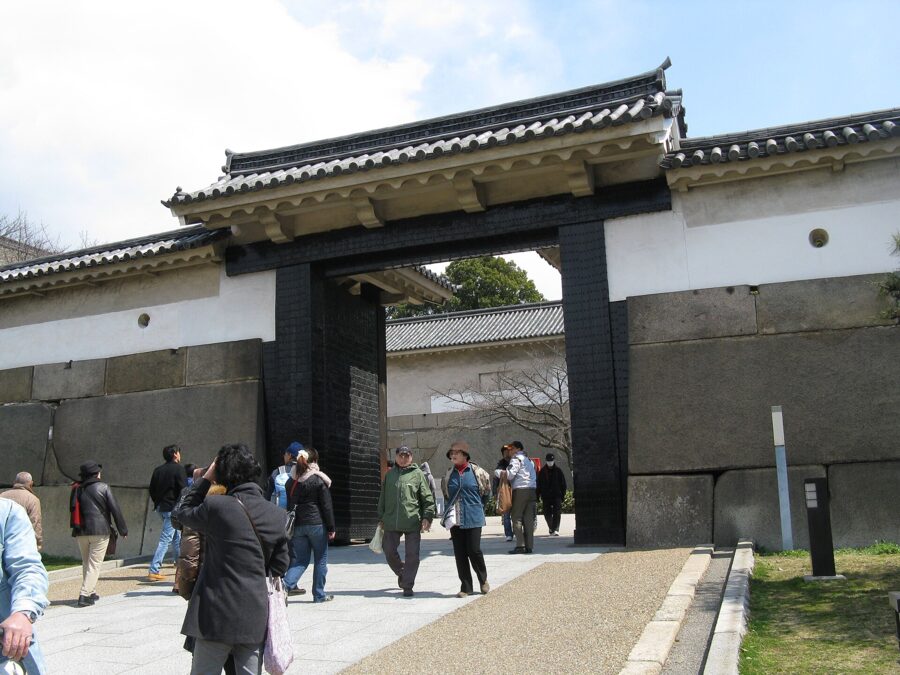
Outside the park the deal changed this autumn. For bookings made from 1 October 2026, a volunteer walk through Nakanoshima, Dotonbori, the Uemachi plateau or Tenma costs ¥2,000 per guide as a contribution to the council’s running costs. That is per guide, not per person: one guide takes roughly seven to twelve people depending on the course, so a family of four pays ¥500 each.
The rules are strict, and they are the real price of free. The council’s own answers say to book at least ten days ahead; after that you can only turn up and hope. There are no fixed-departure tours. Guides work 10:00–15:30 (shorter in summer), do not guide from 28 December to 3 January, and walk for two hours at most with no rest stop except for toilets.
Turning up can work in the park. If a guide in a green coat is standing free, you can ask on the spot; if every guide is busy, you get no tour. On a flexible day that is a gamble worth taking. On a fixed date, book.
Osaka SGG Club: free, but you pay the guide’s way
The Osaka Systematized Good-will Guides Club, founded in 1982 under the Japan National Tourism Organization, had 137 members in March 2026. Its guides take no fee, but under the club’s request terms you cover their real costs: the guide’s train fare from home and back, fares during the day, their lunch and every admission ticket. Budget for two sets of fares and lunches, not one.
Apply at least ten days ahead. The club mainly helps people staying in Osaka, guides no evening tours, and will not guide from a bicycle, rental or otherwise. It works best for a full day out of the city that you plan yourself, with someone local to read the signs and order lunch.
Tip-based walks: what “free” costs
Two operators with their own sites run tip-based walks in English from Namba and Shinsaibashi. The Osaka Free Walking Tour, running since 2017, meets outside Exit 15B of the Osaka Metro Namba station (not Exit B15; it is the one by the Namba Hips pachinko hall). Its two-and-a-half-hour route goes from Dotonbori through Kuromon Market and Nipponbashi’s Den Den Town to Shinsekai under Tsutenkaku. The operator says most people tip ¥1,000 to ¥2,000 each.
Osaka Localized’s free day walk meets at the Apple Store in Shinsaibashi and ends at Namba Grand Kagetsu, the Yoshimoto comedy theatre. It passes through Amemura, Dotonbori and Kuromon, with a break at the market where any food is at your own expense. Morning and afternoon departures need booking, groups of more than five must book a private tour, and the tour leaves on time without latecomers.
Then there is the paid version. Localized’s Dotonbori and Namba walk costs ¥3,850 for anyone 16 or over (¥2,695 for ages 6 to 15) and follows, in the company’s words, the same route and content as the free one. What the money buys is a fixed price and a small group.
If you would tip ¥2,000 anyway, the free walk leaves you ¥1,850 ahead. I would only pay the fixed price to avoid the end-of-tour arithmetic, and that is a lot to pay for it.
After dark, Localized runs a free night walk from under the giant penguin at MEGA Don Quijote Shinsekai, through Nishinari and the Kamagasaki day-labour district to Tobita Shinchi, ending at Tsutenkaku. It is two hours, tip-based, and not recommended for anyone under 18. Photography is banned in Tobita Shinchi, hidden cameras included, and the guide will hold you to it.
GuruWalk, a platform for tip-based tours, lists a couple of dozen free tours in Osaka, including Osaka Castle night walks and an hour-long walk through the food streets at 18:00 to help you pick a dinner spot. The tip rule is the same on all of them: you decide at the end, and nobody checks what you give.
E-bike and bicycle tours against riding on your own
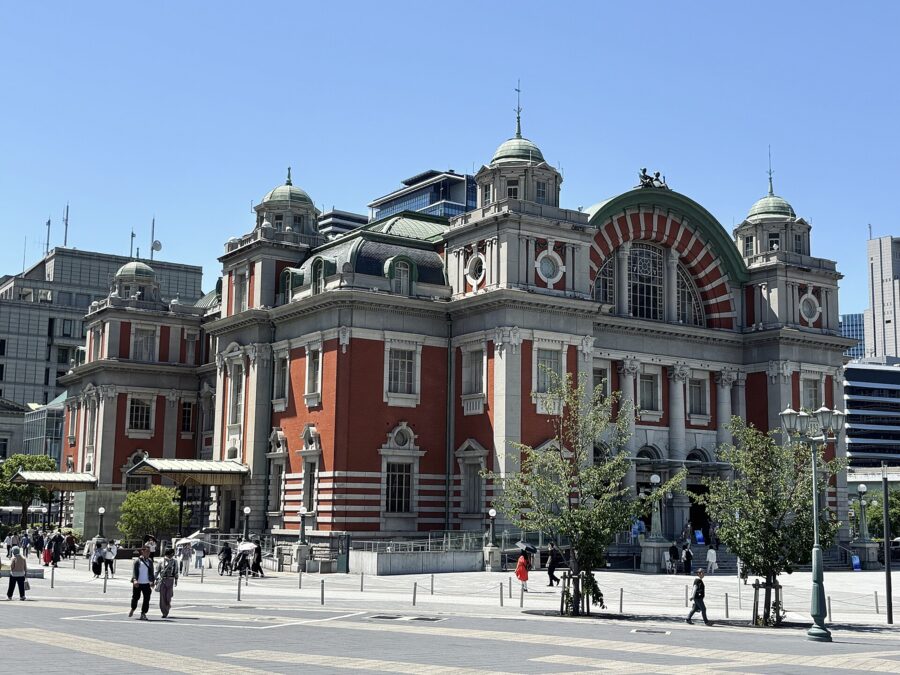
Cycle Osaka has run guided rides from its base in Tenma since 2013, and its prices are the benchmark. The half-day highlights ride costs ¥11,000 for about 15 km in three to four hours: Osaka Castle, the Japan Mint, Osaka Tenmangu shrine, Nakanoshima Park and the Central Public Hall. It leaves daily at 10:00, takes riders aged 13 and up, and caps the group at eight. Bike, helmet and guide are included; food is not.
The standard bike is a Trek hybrid. A Panasonic electric-assist bike is an extra ¥3,000, so the half day on an e-bike costs ¥14,000. The full-day ride, about 24 km with lunch and a run south to Shitennoji and Shinsekai, costs ¥16,000. The longest e-bike outing is a private 55 km ride up to Minoh and back at ¥75,000 per group, and the same Specialized e-bikes rent for ¥10,000 a day without a guide.
The same loop on a share bike
Central Osaka has two big bike-share networks. Docomo’s Osaka network, branded HUBchari and renamed NOLL on 24 November 2026, switches to new Osaka prices on 1 December 2026: ¥99 per 10 minutes on the existing bikes, a 3-hour pass for ¥900 and a 6-hour pass for ¥1,500.
Newer bikes without a handlebar keypad cost ¥120 per 10 minutes, cut to ¥99 during a launch campaign. NOLL’s Osaka fleet is all electric. Until 30 November the old ¥165 per 30 minutes and ¥1,527 day pass apply.
HELLO CYCLING’s Osaka prices run by bike type. An ordinary city bike costs ¥160 for the first 30 minutes and ¥160 per 15 minutes after that, capped at ¥2,500 for 12 hours. Its electric bikes cost ¥200 per 15 minutes, capped at ¥4,000. The operator warns that a single port can price bikes differently, so check the app before you ride off.
Now the sums for Cycle Osaka’s half-day loop, four hours in the saddle. On NOLL’s 6-hour pass it costs ¥1,500. On a HELLO CYCLING electric bike it costs ¥3,200, and on its plain city bike ¥2,400. Against the ¥14,000 guided e-bike ride, that leaves a gap of ¥10,800 to ¥12,500.
What the gap buys is real. The guide carries the route and the stories, and you get a helmet and a bike in your size rather than whatever is on the rack. Riding alone, you need a phone that receives SMS and a credit card: NOLL takes Visa, Mastercard, JCB and American Express, but not debit cards. You also have to return a NOLL bike inside the Osaka area, not in Kyoto or Nara.
My view: if you have ridden in a city before, take the share bike and a map, and spend some of the ¥12,500 on lunch in Tenma. If you have not ridden in traffic for years, or you want the food stops chosen for you, the guided ride is fair value.
Where you can ride, and the fines
Since 1 April 2026, cyclists aged 16 and over get on-the-spot fines, the “blue ticket”, for traffic offences. Osaka Prefectural Police list the main ones: ¥12,000 for using a phone while riding; ¥6,000 for running a red light or riding on the right; ¥5,000 for riding with an umbrella, with earphones or without a light at night; ¥5,000 for not stopping at a stop line; ¥3,000 for riding two abreast, carrying a passenger or riding fast on the pavement. Ride on the left, stop where the signs say stop, and on a pavement go at walking pace and give way to everyone on foot.
Parking is where visitors lose money. The city treats the area within about 300 metres of its railway stations as a no-parking zone for bicycles, and bikes left there are removed straight away, even after a few minutes. Locks chained to railings are cut.
Getting the bike back from a city pound costs ¥3,500 in cash, with ID and the key, and a share bike towed from the wrong place is yours to collect and pay for. Use the share network’s own ports or a paid bicycle car park.
Cheap food walks: Dotonbori, Kuromon and Shinsekai
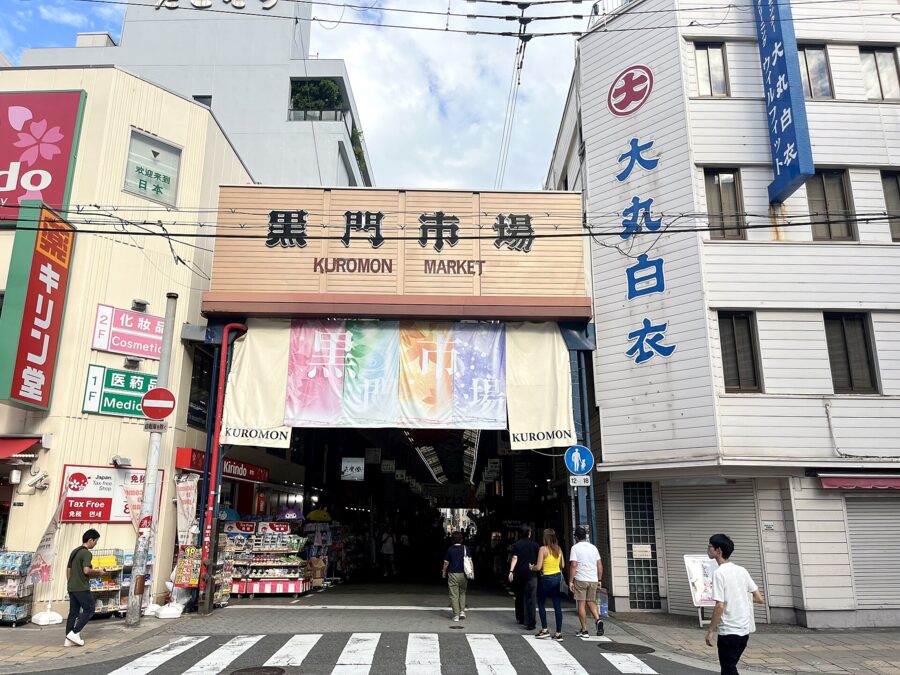
Every walk above passes food without including any. That is the cheapest food tour in the city: take the free walk through Kuromon, eat what the guide points at, pay the stallholder directly. Kuromon itself charges nothing to enter.
When the food is part of the price, the numbers jump. Walking Tours Osaka’s Deep Osaka food tour costs ¥13,000 for anyone 13 or older (¥9,200 for ages 3 to 12). That covers three hours, about a kilometre on foot through Shinsekai and Nishinari, 15 dishes at five places and three drinks. It meets at Exit 1 of Dobutsuen-mae station at 17:30 or 18:00.
Divided out, that is under ¥900 per dish with a drink included, and for a first night in Osaka it is a fair price.
The same company’s Backstreet Osaka walk covers much of the same ground for ¥7,200, or ¥9,700 with a five-dish izakaya dinner. Its Hotspots group walk costs ¥7,000 for three hours and includes one drink and a small side dish, nothing more. Cycle Osaka’s bike and food tour costs ¥15,000 for four hours, 12 km and four food stops, drawn from a list that runs from standing sushi to kushikatsu and Osaka udon.
The private Kuromon Market tour is the one to skip on price. At ¥32,500 a head for a pair (falling to ¥13,000 each from nine people), you are paying for the commentary. The market’s stalls sell to anyone walking through.
The night walk ends at the foot of Tsutenkaku, whose ¥1,500 deck ticket has cheaper rivals across the city. And if you would rather cook the dishes than walk past them, Osaka cooking classes are the other way to spend a food-tour budget.
Badminton and sport with locals
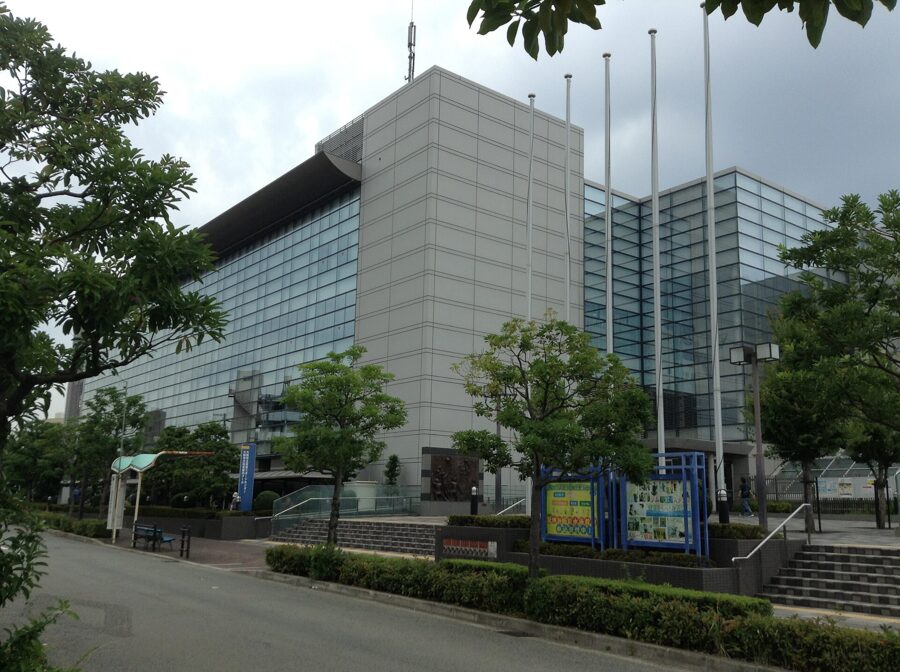
Omoroi Life, a group that runs sport sessions for residents and foreigners together, is the easiest way in. Its badminton nights cost ¥500 for three hours, with rackets for hire at ¥100. They run at city sports centres such as Miyakojima (18:00–21:00 on recent Friday and Wednesday nights, five minutes’ walk from Miyakojima station) and Sumiyoshi, where the next listed session is on 2 December 2026. Games are doubles, every level is welcome, and many players come alone.
Sign up through Omoroi’s site or its Meetup group, and only press “Going” if you will turn up. Places are capped, cancellations within 24 hours carry a fee, and nobody should turn up, or bring a friend, without being on the list. Bring indoor sports shoes, because outdoor shoes are not allowed on the gym floor. The same group runs pickleball and volleyball at the same ¥500, plus futsal and table tennis.
The cheapest court time of all belongs to the city. Miyakojima Sports Center holds a public open day on the second Saturday of each month: ¥200 for an adult, four badminton and table-tennis slots of 1 hour 45 minutes between 09:45 and 17:30. Check the centre’s monthly notice before you go, because the date can move.
Sign-up starts at 09:00 at the desk, one court per group leader per day, and you buy the ticket from the machine. Rackets and shuttles are lent free while they last. People from outside Osaka City may use it, so a visitor in town on the right Saturday can play beside the regulars.
Booking a court yourself rarely makes sense for a visitor. City centres hand out courts first by monthly lottery to people who live, work or study in Osaka, and only the leftovers open to everyone from the 23rd of the month, two months ahead. Even a half court at Minato Sports Center costs ¥1,400–¥3,000 for a three-hour block. The ¥500 session and the ¥200 open day are the ways in.
Two and a half hours later, outside Namba Grand Kagetsu, the ¥3,850 group and the free group finish the same walk at the same door. Somewhere between them is the right tip. Pay it, then spend the difference on a share bike and a ¥500 game of badminton.